
AI-Based Unmanned Uniform Management System
Transforming Hospital Logistics
Building the First AI-Based Unmanned Uniform Management System in Taiwan
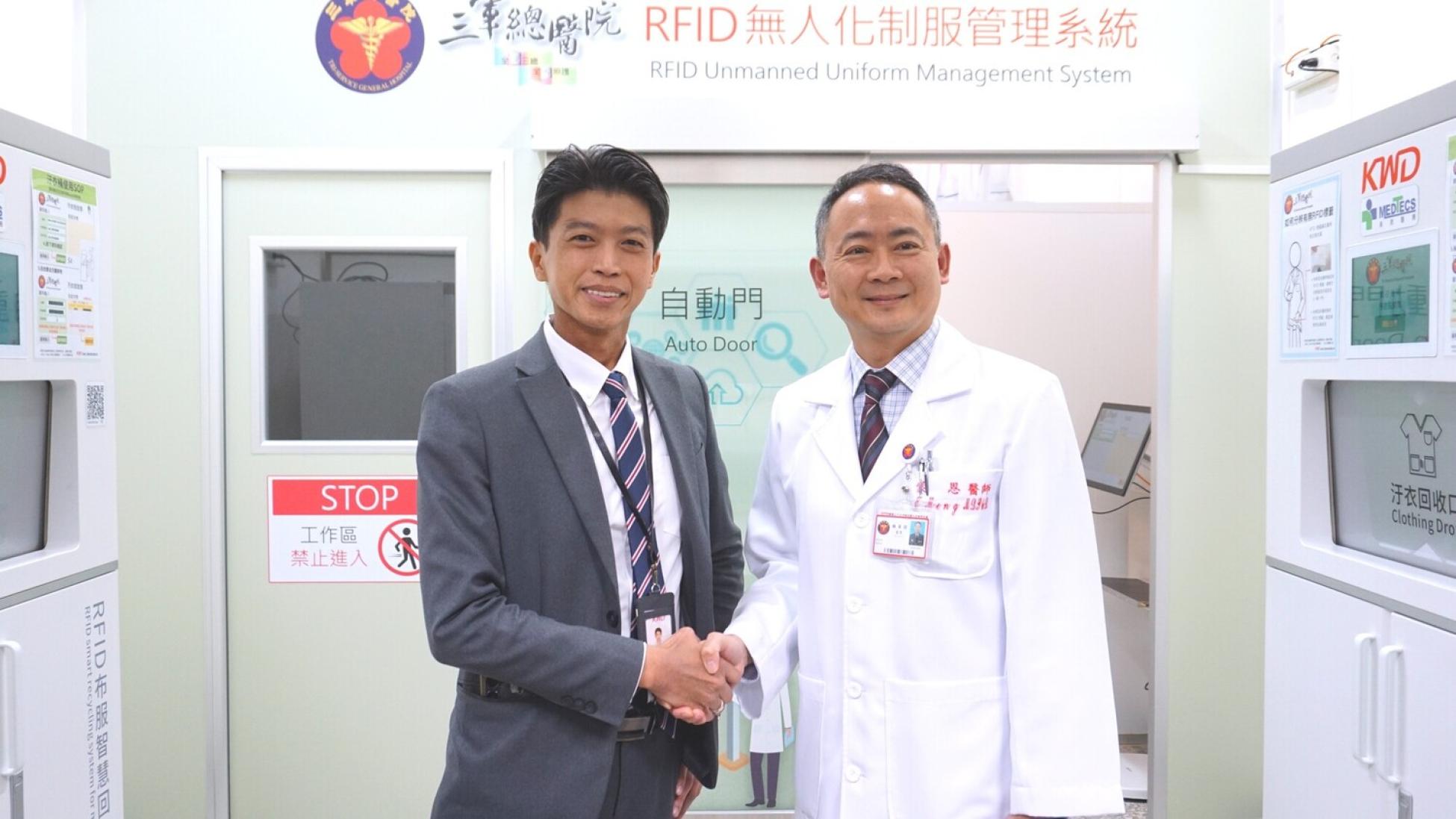
To address the cumbersome and labor-intensive processes of uniform washing and distribution in medical institutions, Keewing-ID Industrial Co., Ltd. (hereinafter referred to as “KWD”), which has been deeply involved in hospital logistics management for many years, has partnered with Tri-Service General Hospital, National Defense Medical Center to officially launch the first AI-based system implemented in hospital laundry services in Taiwan, the RFID Unmanned Uniform Management System, setting a new benchmark for smart hospital logistics management.
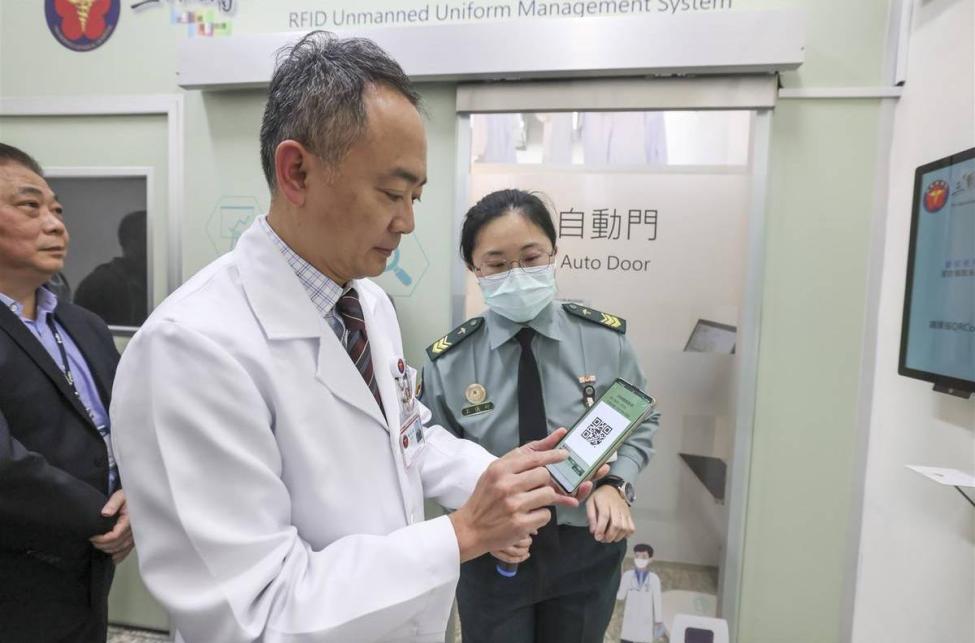
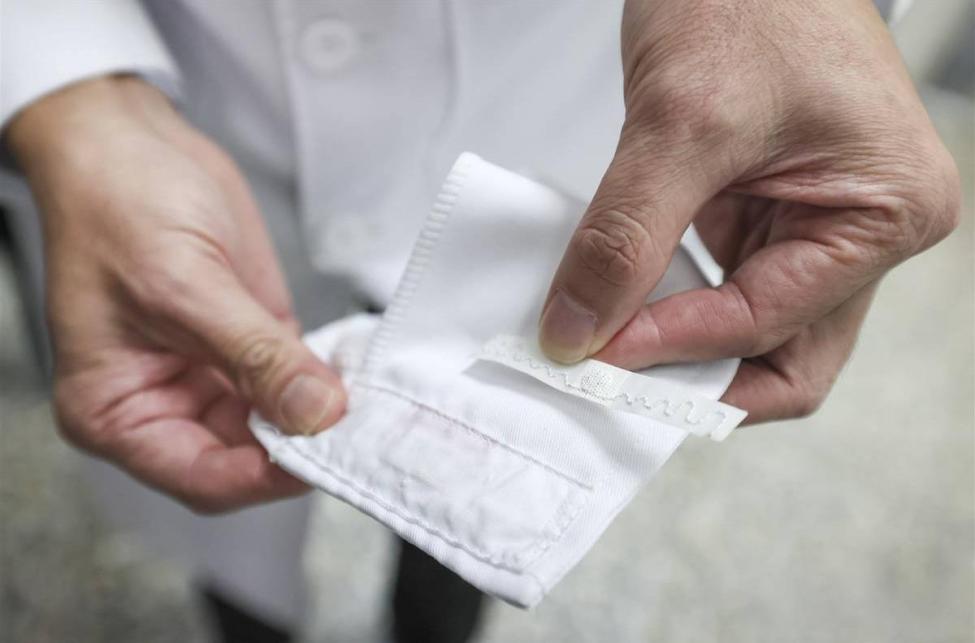
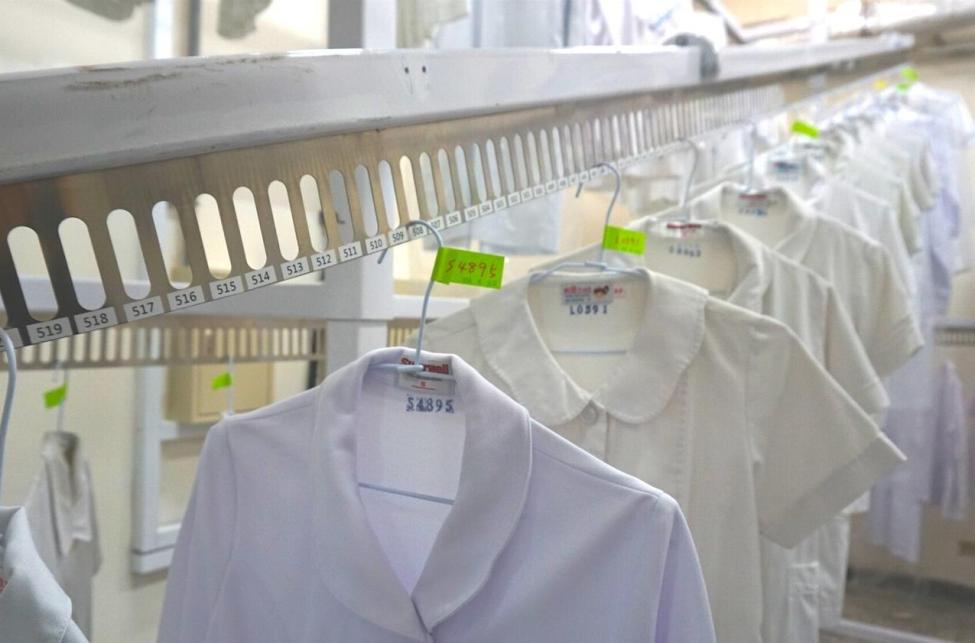
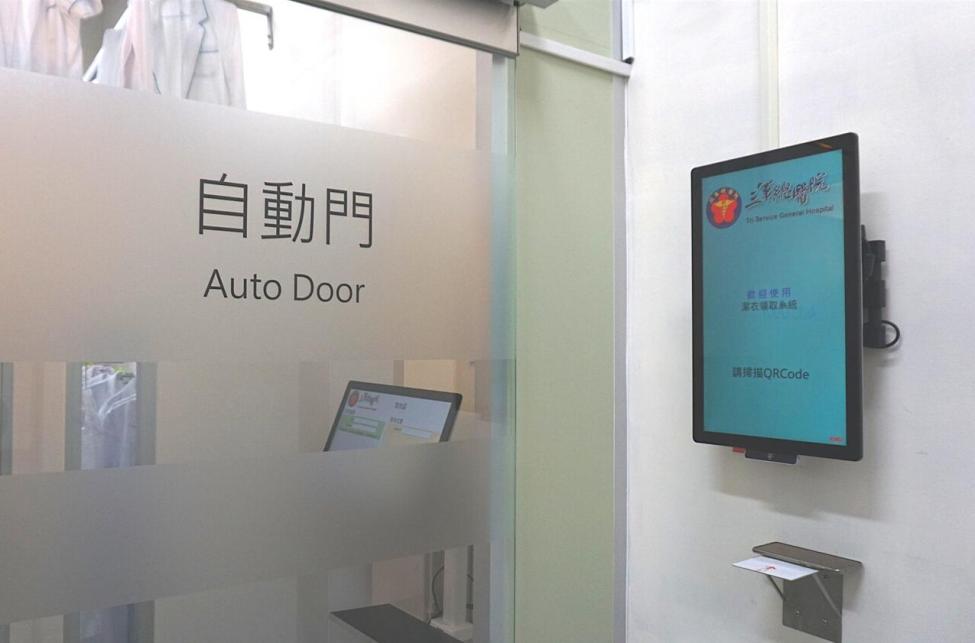
The system integrates KWD’s independently developed mobile application (App) with KWD washable RFID tag technology, realizing a fully automated, paperless, and intelligent end-to-end process from sending uniforms to laundry, to tracking, and to collection. Medical staff only need to put soiled garments into the RFID smart collection unit, where the system automatically records the items and uploads the data to the cloud. Once washing is completed, the App sends real-time push notifications. Through a 24-hour unmanned self-service dispensing system, users can retrieve their uniforms quickly and conveniently at any time, achieving truly streamlined and efficient logistics management.
Backed by Global Experience, Leading a Revolution in Smart Logistics
A Blessing for the Healthcare Industry: Accelerating Adoption Across Taiwan
Our company’s RFID technology has now reached a mature stage. It not only enhances management efficiency and reduces labor burden but can also be integrated with medical-supplies management systems, delivering comprehensive benefits to overall healthcare operations.
“We have also partnered with multiple hospitals to implement an RFID smart management system for surgical instruments. The system accurately tracks each instrument throughout the cleaning and sterilization process, ensuring it is promptly returned to the designated operating room. This significantly reduces manual workload and the risk of errors and comprehensively improves patient safety and workflow efficiency. We passionately believe that medical institutions across Taiwan will accelerate the adoption of this system, making it a key driver in improving the healthcare environment.”
AI-Based Unmanned Uniform Management System – Operating Procedure
